Company Dynamics

Outdoor power supply answer questions: how long is the life span of outdoor energy storage power supply lithium iron phosphate battery?

TSK  -  2024-08-21

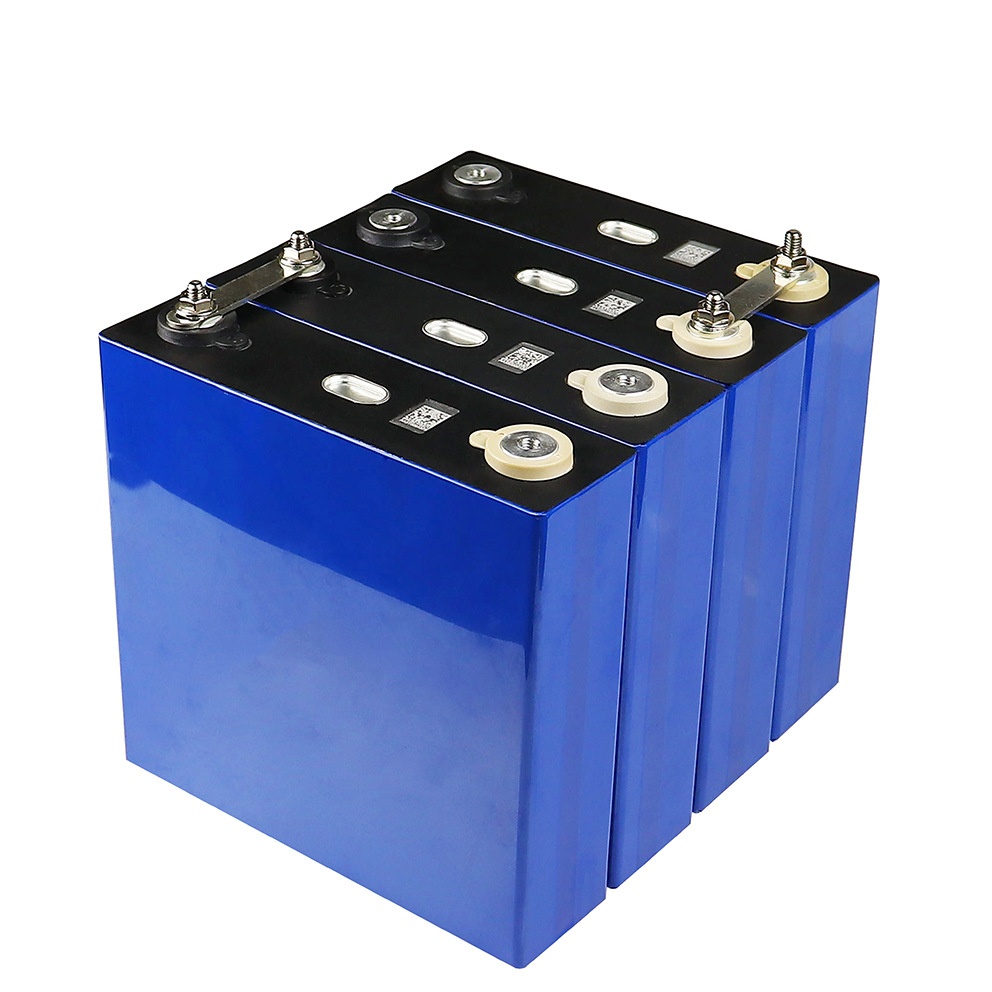
Lithium iron phosphate battery pack usually lasts about 8 years, but if used in the south. Lithium-iron phosphate batteries can last longer than eight years. Lithium iron phosphate battery is a kind of lithium ion battery, which refers to the lithium ion battery using lithium iron phosphate as the cathode material. It is characterized by strong safety and stability, high temperature resistance and good circulation performance. Now many better outdoor power supply manufacturers of outdoor power supply batteries are basically using lithium iron phosphate batteries.

The advantages of lithium iron phosphate battery: strong safety stability, high temperature resistance, environmental protection longevity is the advantage of lithium iron phosphate battery, compared with more than 300 degrees of high temperature, there will be deflagration phenomenon of ternary lithium materials, lithium iron phosphate battery even short circuit will not explosion combustion, so in terms of safety performance, lithium iron phosphate battery deeper than ternary lithium battery, this is why most outdoor power supply use lithium iron phosphate battery.

Disadvantages of lithium iron phosphate battery: the disadvantage of lithium iron phosphate battery is also very obvious, large volume, so in the outdoor power supply to occupy more space. Focus on the high temperature resistance of lithium iron phosphate battery in the ultra-low temperature discharge performance appears to be powerless, compared with the three lithium battery there is a significant gap. Therefore, some of the outdoor power companies also use ternary lithium battery as energy storage.


Prev:Outdoor power supply FAQ: What does the watt of outdoor power supply mean? Next:Outdoor power supply Q&A: Will outdoor power supply explode due to high temperature?

Related Articles

Return

Outdoor power supply Q&A: What equipment is needed for energy storage power supply testing?

This article provides an overview of energy storage power supply detection, which involves testing and evaluating various performance and safety indicators of the energy storage system. Discover the importance of detection in verifying whether the energy storage power supply meets design requirements and standard specifications. Learn about the professional equipment used in energy storage power supply detection, including bidirectional programmable AC/DC power supplies, anti-islanding test devices, programmable DC loads, power analyzers, oscilloscopes, and AC/DC acquisition cabinets. Enhance your understanding of energy storage power supply testing and its role in ensuring reliable and efficient operation.

2024-08-21

Outdoor power supply FAQ: How to discharge the outdoor power supply?

If the outdoor power supply is not used for a long time or is used improperly, it may cause battery aging, performance degradation, and even safety hazards. Therefore, correctly discharging the power of the outdoor power supply is an important way to protect the battery life and use effect.

2024-08-19

Which battery is best for custom outdoor power supply? Ternary lithium or lithium iron phosphate?

The outdoor power supply is a built-in lithium-ion battery that can provide portable power for various electronic devices. It can be used in outdoor travel, camping, exploration and other scenes, bringing you more convenience and fun. But did you know? There are great differences in the types of batteries for outdoor power supplies, and different battery types will affect the performance, safety, life and price of outdoor power supplies. So, what kind of battery is good for custom outdoor power supplies? This article will introduce you to two common types of batteries: ternary lithium batteries and lithium iron phosphate batteries, as well as their advantages and disadvantages and selection suggestions.

2024-08-20

Thank you for sending the message!
Please fill in your email information!